Search
Close this search box.

Team Spotlight: Meet WPL Blade Specialist, Nicky

At Wind Power LAB (WPL), our greatest strength isn’t just in our technology and services, it’s in our people.

In our Meet the Team series, we’re putting the spotlight on the individuals driving our success and paving the way for innovation in the wind sector. The problem solvers and trusted hands who work side-by-side with owners, operators and insurers across the global wind market, supporting clients every step of the way.

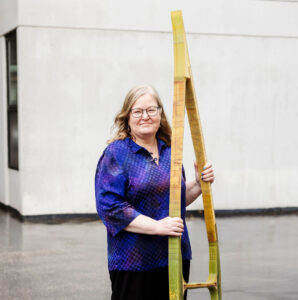
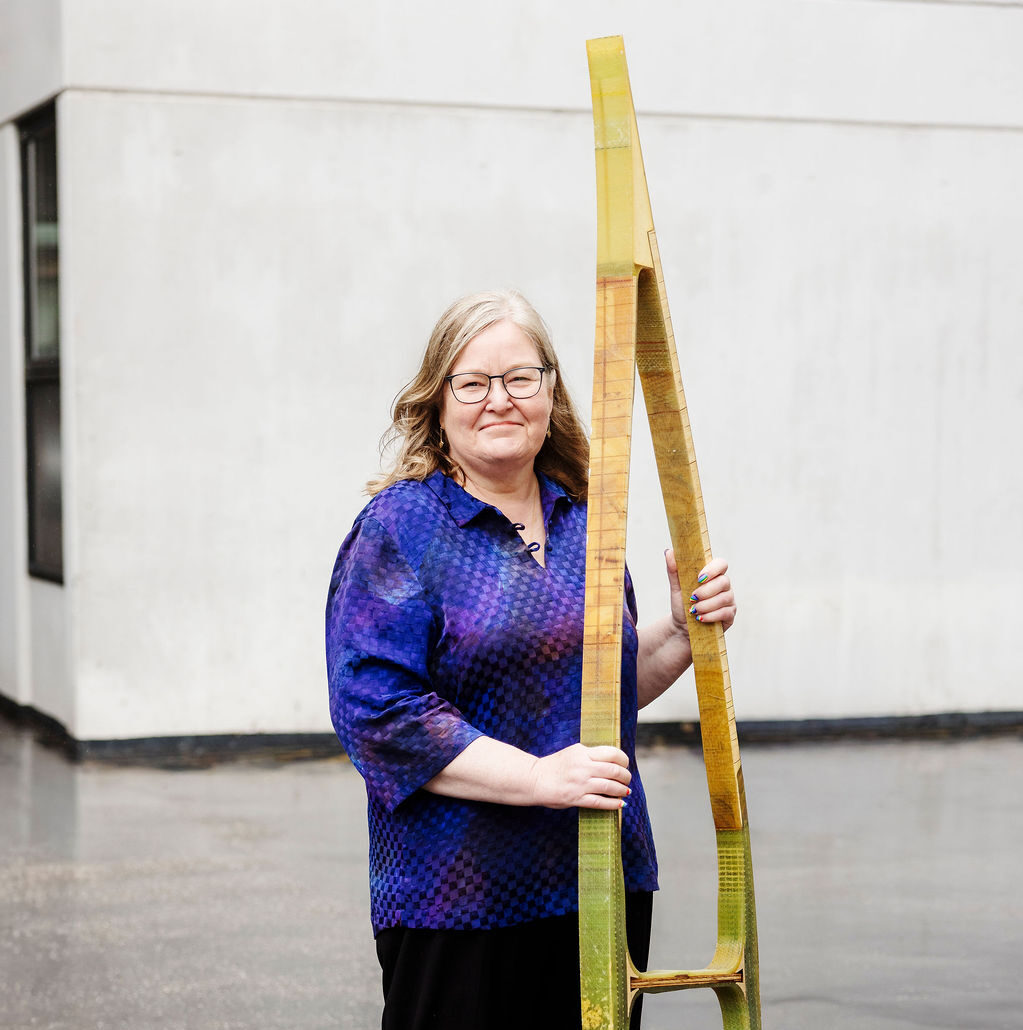
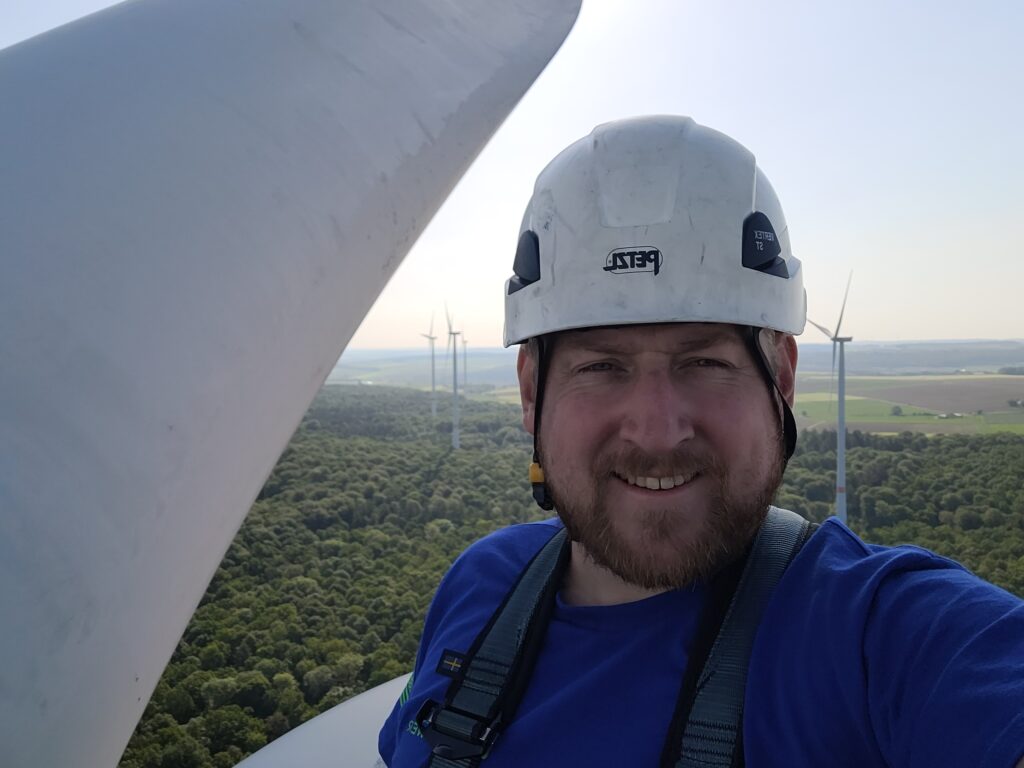
As the latest addition to the Wind Power LAB team, we are excited to introduce Nicky Forrest, our new Blade Specialist and experienced expert within the industry.
 

Tell us a little bit about yourself and how you got into the wind industry

I live in Aarhus, Denmark, with my partner and our golden retriever. I’m originally from Northumberland England, I’m a nature lover and spend a lot of my time scuba diving, skiing, and hiking.
 
I got into the wind industry immediately after university by joining the Siemens Graduate Program based in Byker, Newcastle. I have been in Blade Engineering roles of different specialisations since 2012, and I haven’t looked back!
 

What does a typical day look like for you in your role?

I have had quite varied roles as a blade specialist across the different OEMs, so there is not a routine for what a typical day might be.
 
On the O&M side, it can involve assessment and risk estimations for damages in the field, developing and implementing mitigation measures, development of new repair and inspection methods, planning and support of repair campaigns, training technicians in new procedures, and of course leading RCA activities. A lot of this can be done remotely, but tasks such as RCA work and new solution development often need to be conducted at-site, sometimes on the ground (if a blade has failed), sometimes up on the blade externally via crane or cherry picker, or sometimes up-tower.
 
On the Manufacturing Quality side, it can involve inspecting blades, witnessing and auditing production processes, performing due diligence of production & quality documentation, identifying deviations and serial issues, then driving solution development and implementation.

What is your favourite part of working in the wind industry?

I am very committed to the cause of fighting climate change. In the ~15 years I have been scuba diving, I have seen the change underwater, the deterioration of the corals and changes in the migration patterns of sea life. I feel very privileged to work in this industry where we are doing something that makes a difference. It motivates me knowing my efforts directly contribute to something so crucial. It was really driven into me in my early years in the industry that every hour of WTG production counts: every hour that a single turbine is stopped is wasted clean energy, not to mention a loss financially for the operators.

Do you have a project or achievement that you are particularly proud of?

Yes, one stands out in my mind which really captures why I love this work. A WTG had collapsed in South East Asia, potentially due to a blade failure. Because of this, all of the local WTGs had been stopped as a precautionary measure by the local authorities.
 
Together with a colleague, we visited the windfarm to progress the case however possible. The first task was to perform RCA investigation of the evidence, which was widely spread across farmers’ fields. We managed to find critical evidence to identify the damage initiation point and therefore understand more about the failure mode of the blade. This allowed us to investigate the windfarm’s other WTGs, which were stopped due to potential risk of the same issue. After many visits to the local hardware store and many trips up-tower inside blades, we developed a novel measurement method that could identify and quantify this failure mode in the other blades on site. We created a work instruction document and trained the local technicians in using the method uptower. Eventually, under a defined monitoring regime using the procedure, the WTGs were allowed to return to operation.
 
After returning home, we made further improvements to the measurement procedure to improve accuracy, repeatability, and data capture, but that ‘rough and ready’ procedure was the basis for it. This for me was the ultimate job satisfaction. It was in incredibly tough conditions, and many hours were spent, but it got the wind farm back online.
 

What is the most exciting location or event you have traveled to as part of your job? 

There are many, although wind farms do not tend to be in tourist hot spots, but it is always interesting nonetheless. I have been to wind farms and up-tower all over the world: from the USA to Thailand, Finland to South Africa.

What do you find most exciting about the future of wind energy/ renewable power?

When I started at Siemens my wise old mentor told me “The machinery itself is not all that complex, it’s not rocket science”. Whilst this was accurate, we have seen huge strides made in technology and manufacturing processes, but the most impressive developments I see (in my biased opinion) are in the operation and maintenance area. Servicing of turbines and blades is not easy, but it is important, and it directly effects energy production and ultimately the cost of energy. The leaps forward in automation of inspections, repair optimisations etc. really allow us to do more utilising the same resource, which is what all areas of this industry are focusing on right now.

Behind every project, inspection, and customized blade scope is a team of dedicated specialists who bring expertise, precision, and passion to the work they do every day.

Want to find out how Wind Power LAB can support your turbine challenges? Reach out.
Share the Post: