
As wind energy continues to scale, so do the challenges facing turbine operators and asset owners. One of the most underestimated yet critical threats to turbine health is lightning. In fact, lightning strikes are one of the leading causes of downtime and blade damage across wind farms globally.
But why do lightning strikes happen so frequently on turbines and more importantly, what can you do about it?
Why Wind Turbines Attract Lightning
Wind turbines are tall, isolated structures often located in remote, open areas. They are efficiently designed for generating wind, but also offers prime conditions for lightning activity. Their height and placement make them natural lightning targets, especially in storm-prone regions. Blades, nacelles, and other sensitive components can suffer significant electrical and structural damage from just a single strike.
With turbines getting taller and rotor diameters increasing, the risk is only intensifying. But why do lightning strikes happen so frequently on turbines and more importantly, what can you do about it?
The Cost of Lightning Damage
When lightning hits, the impact isn’t just physical, it’s financial.
Lightning strikes to a wind turbine blade can create severe damages, even with a lightning protection system (LPS) installed. Early detection and precise root cause analysis lead to cost-effective repairs and maintenance, optimizing operational expenditure (OPEX).
Damage caused by lightning strikes can lead to:
- Costly blade repairs or full blade replacements
- Extended downtime and lost energy production
- Higher insurance premiums
- Risk to nearby infrastructure if not properly grounded
- Long-term degradation of composite materials
In some cases, lightning-damaged turbines may appear operational but suffer hidden internal degradation that compromises long-term performance.
Protecting your assets against lightning strikes
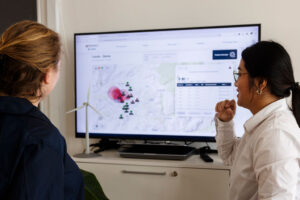
While lightning can’t be prevented, the key is early detection and precise monitoring. That’s where solutions such as LASSIE by Wind Power LAB comes in. The solution is in the data, turning raw data into actionable insights, enabling you to make informed decisions regarding maintenance schedules and repair strategies.
LASSIE (Lightning Analysis Surveillance System for Industrial Equipment) is a specialized lightning surveillance service designed for real-time monitoring of lightning activity and impact on wind turbines. It delivers:
- Accurate strike detection directly on turbine components
- Detailed impact analysis for faster decision-making
- Integration-ready data for O&M platforms and SCADA systems
- Actionable insights to reduce inspection time and improve safety
- Long-term degradation of composite materials
LASSIE is already supporting over 5300+ wind turbines across 20 countries worldwide. With LASSIE, operators gain visibility into when and where strikes happen, enabling targeted inspections, faster response times, and significant reductions in unnecessary blade climbs or full-site shutdowns.
Conclusion
Lightning isn’t just a weather event, it’s a risk factor that can undermine turbine health and performance if left unchecked. With smarter surveillance, wind operators can be empowered to protect their assets, reduce O&M costs, and maximize uptime.
Over the years, we’ve been pioneering new technologies and solutions to ensure we keep our clients on the right track, moving safer, smarter and more efficiently in an ever-shifting market.
At a time when every megawatt counts, real-time lightning intelligence is no longer optional, it’s essential.