
International Women’s Day: Insights and Advice From A Senior Blade Specialist
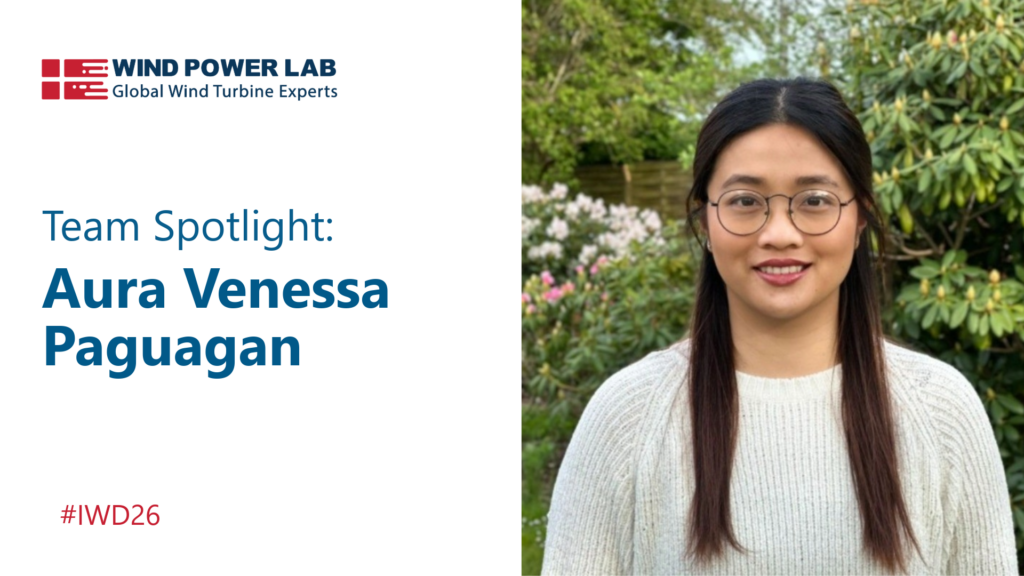
In honour of International Women’s Day, we sat down with Senior Blade Specialist, Aura Venessa Paguagan at Wind Power LAB, to talk about her career journey, what keeps her motivated, and her advice for other women thinking about a future in wind. We hope that through sharing our own insights and stories of success, career paths into the wind sector can continue to become more accessible for women worldwide. What is your role at Wind Power LAB? I am currently a Senior Blade Specialist at Wind Power LAB, where I work with wind farm owner, operators, and insurance market to understand blade issues, investigate blade failures, assess potential risks, and provide fact-based analysis to determine the best path forward for both operational decisions and insurance claims. How did you get into the wind industry? When I was choosing my study path, I knew I wanted to work in an industry with purpose, one where my daily work could contribute to something bigger. That led me to study Wind Energy, focusing on blade materials and its structural behavior, which are areas that really sparked my interest. Learning how blade materials perform under different loading condition and having interest in different blade failure modes opened the door for me to start my career in wind industry. What is your favourite part of your role? Are there any highlights from your career? The part that I enjoy the most about my role is helping clients to solve real problems, whether it’s mitigating risk in daily asset operations or supporting investigations after major blade failure events. The work is indeed technically challenging but knowing our work helps the industry is incredibly motivating and rewarding. What would you like to share with other women curious about starting a career in wind? For young women considering a career in wind, stay curious and don’t be afraid to challenge yourself. The industry is full of opportunities and knowledge to absorb. Stay true to yourself, ask questions, and go for it – there’s a lot of room for you here! Most importantly, your perspective and expertise have value. Conclusion Whether it be a technician working out in the field, a member of support staff in the office, an engineer, or a business executive, women play a key role in the work we do within the renewable industry. We recognise and celebrate the new perspectives and approaches to problem-solving that comes with an inclusive and diverse team. It’s what drives innovation and allows us to excel in making real progress within the wind industry. Wind Power LAB is proud to have a team of brilliant specialists like Aura, who continue to drive the wind industry forward and make a positive impact globally. Happy International Women’s Day.
Team Spotlight: Meet WPL Blade Specialist, Nicky
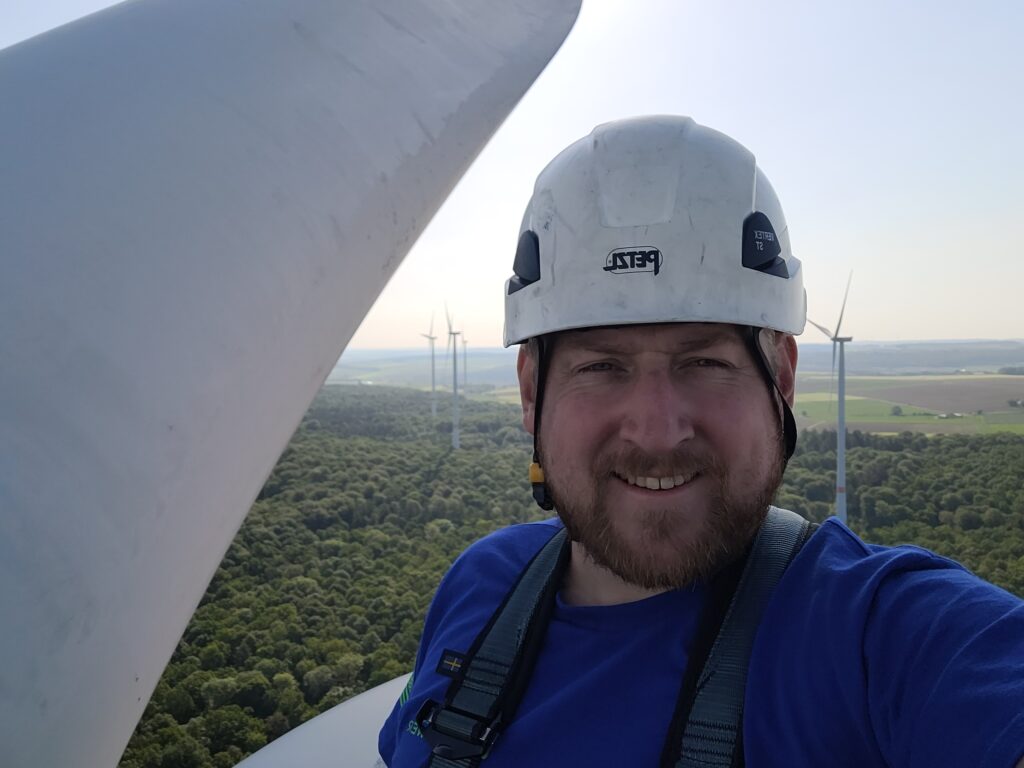
At Wind Power LAB (WPL), our greatest strength isn’t just in our technology and services, it’s in our people. In our Meet the Team series, we’re putting the spotlight on the individuals driving our success and paving the way for innovation in the wind sector. The problem solvers and trusted hands who work side-by-side with owners, operators and insurers across the global wind market, supporting clients every step of the way. As the latest addition to the Wind Power LAB team, we are excited to introduce Nicky Forrest, our new Blade Specialist and experienced expert within the industry. Tell us a little bit about yourself and how you got into the wind industry I live in Aarhus, Denmark, with my partner and our golden retriever. I’m originally from Northumberland England, I’m a nature lover and spend a lot of my time scuba diving, skiing, and hiking. I got into the wind industry immediately after university by joining the Siemens Graduate Program based in Byker, Newcastle. I have been in Blade Engineering roles of different specialisations since 2012, and I haven’t looked back! What does a typical day look like for you in your role? I have had quite varied roles as a blade specialist across the different OEMs, so there is not a routine for what a typical day might be. On the O&M side, it can involve assessment and risk estimations for damages in the field, developing and implementing mitigation measures, development of new repair and inspection methods, planning and support of repair campaigns, training technicians in new procedures, and of course leading RCA activities. A lot of this can be done remotely, but tasks such as RCA work and new solution development often need to be conducted at-site, sometimes on the ground (if a blade has failed), sometimes up on the blade externally via crane or cherry picker, or sometimes up-tower. On the Manufacturing Quality side, it can involve inspecting blades, witnessing and auditing production processes, performing due diligence of production & quality documentation, identifying deviations and serial issues, then driving solution development and implementation. What is your favourite part of working in the wind industry? I am very committed to the cause of fighting climate change. In the ~15 years I have been scuba diving, I have seen the change underwater, the deterioration of the corals and changes in the migration patterns of sea life. I feel very privileged to work in this industry where we are doing something that makes a difference. It motivates me knowing my efforts directly contribute to something so crucial. It was really driven into me in my early years in the industry that every hour of WTG production counts: every hour that a single turbine is stopped is wasted clean energy, not to mention a loss financially for the operators. Do you have a project or achievement that you are particularly proud of? Yes, one stands out in my mind which really captures why I love this work. A WTG had collapsed in South East Asia, potentially due to a blade failure. Because of this, all of the local WTGs had been stopped as a precautionary measure by the local authorities. Together with a colleague, we visited the windfarm to progress the case however possible. The first task was to perform RCA investigation of the evidence, which was widely spread across farmers’ fields. We managed to find critical evidence to identify the damage initiation point and therefore understand more about the failure mode of the blade. This allowed us to investigate the windfarm’s other WTGs, which were stopped due to potential risk of the same issue. After many visits to the local hardware store and many trips up-tower inside blades, we developed a novel measurement method that could identify and quantify this failure mode in the other blades on site. We created a work instruction document and trained the local technicians in using the method uptower. Eventually, under a defined monitoring regime using the procedure, the WTGs were allowed to return to operation. After returning home, we made further improvements to the measurement procedure to improve accuracy, repeatability, and data capture, but that ‘rough and ready’ procedure was the basis for it. This for me was the ultimate job satisfaction. It was in incredibly tough conditions, and many hours were spent, but it got the wind farm back online. What is the most exciting location or event you have traveled to as part of your job? There are many, although wind farms do not tend to be in tourist hot spots, but it is always interesting nonetheless. I have been to wind farms and up-tower all over the world: from the USA to Thailand, Finland to South Africa. What do you find most exciting about the future of wind energy/ renewable power? When I started at Siemens my wise old mentor told me “The machinery itself is not all that complex, it’s not rocket science”. Whilst this was accurate, we have seen huge strides made in technology and manufacturing processes, but the most impressive developments I see (in my biased opinion) are in the operation and maintenance area. Servicing of turbines and blades is not easy, but it is important, and it directly effects energy production and ultimately the cost of energy. The leaps forward in automation of inspections, repair optimisations etc. really allow us to do more utilising the same resource, which is what all areas of this industry are focusing on right now. – Behind every project, inspection, and customized blade scope is a team of dedicated specialists who bring expertise, precision, and passion to the work they do every day. Want to find out how Wind Power LAB can support your turbine challenges? Reach out.
Lightning Strikes & Wind Turbines: Everything You Need to Know and How to Stay Ahead of Damage
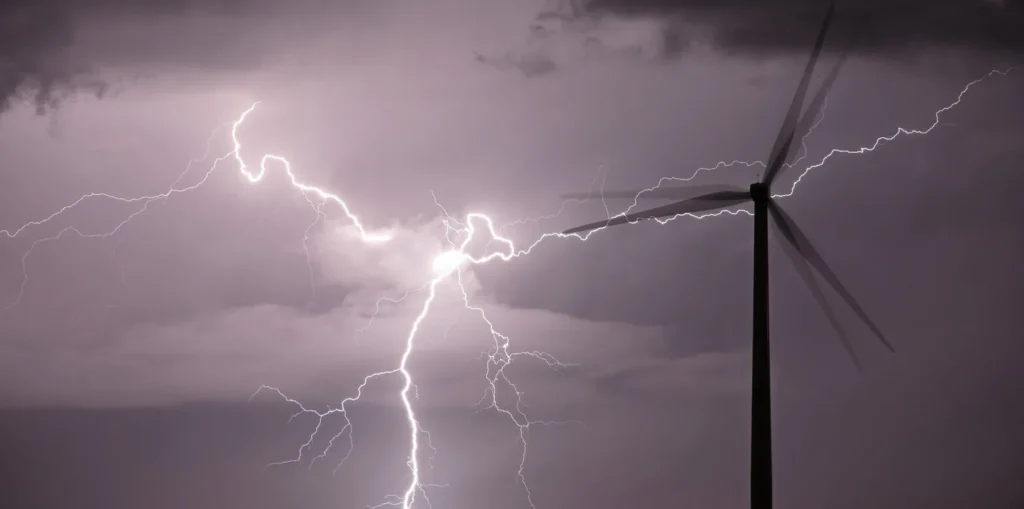
As wind energy continues to scale, so do the challenges facing turbine operators and asset owners. One of the most underestimated yet critical threats to turbine health is lightning. In fact, lightning strikes are one of the leading causes of downtime and blade damage across wind farms globally. But why do lightning strikes happen so frequently on turbines and more importantly, what can you do about it? Why Wind Turbines Attract Lightning Wind turbines are tall, isolated structures often located in remote, open areas. They are efficiently designed for generating wind, but also offers prime conditions for lightning activity. Their height and placement make them natural lightning targets, especially in storm-prone regions. Blades, nacelles, and other sensitive components can suffer significant electrical and structural damage from just a single strike. With turbines getting taller and rotor diameters increasing, the risk is only intensifying. But why do lightning strikes happen so frequently on turbines and more importantly, what can you do about it? The Cost of Lightning Damage When lightning hits, the impact isn’t just physical, it’s financial. Lightning strikes to a wind turbine blade can create severe damages, even with a lightning protection system (LPS) installed. Early detection and precise root cause analysis lead to cost-effective repairs and maintenance, optimizing operational expenditure (OPEX). Damage caused by lightning strikes can lead to: Costly blade repairs or full blade replacements Extended downtime and lost energy production Higher insurance premiums Risk to nearby infrastructure if not properly grounded Long-term degradation of composite materials In some cases, lightning-damaged turbines may appear operational but suffer hidden internal degradation that compromises long-term performance. Protecting your assets against lightning strikes While lightning can’t be prevented, the key is early detection and precise monitoring. That’s where solutions such as LASSIE by Wind Power LAB comes in. The solution is in the data, turning raw data into actionable insights, enabling you to make informed decisions regarding maintenance schedules and repair strategies. LASSIE (Lightning Analysis Surveillance System for Industrial Equipment) is a specialized lightning surveillance service designed for real-time monitoring of lightning activity and impact on wind turbines. It delivers: Accurate strike detection directly on turbine components Detailed impact analysis for faster decision-making Integration-ready data for O&M platforms and SCADA systems Actionable insights to reduce inspection time and improve safety Long-term degradation of composite materials LASSIE is already supporting over 5300+ wind turbines across 20 countries worldwide. With LASSIE, operators gain visibility into when and where strikes happen, enabling targeted inspections, faster response times, and significant reductions in unnecessary blade climbs or full-site shutdowns. Conclusion Lightning isn’t just a weather event, it’s a risk factor that can undermine turbine health and performance if left unchecked. With smarter surveillance, wind operators can be empowered to protect their assets, reduce O&M costs, and maximize uptime. Over the years, we’ve been pioneering new technologies and solutions to ensure we keep our clients on the right track, moving safer, smarter and more efficiently in an ever-shifting market.At a time when every megawatt counts, real-time lightning intelligence is no longer optional, it’s essential.
Tackling Leading Edge Erosion
The impact of erosion and why it matters Wind turbine blades are engineered with a precise aerodynamic profile, allowing the blades to capture wind energy as effectively as possible. Over time, however, the leading edge of the blade can deteriorate due to erosion, gradually compromising its aerodynamic performance. This degradation not only decreases efficiency, but can also lower the overall power output of the turbine. To offset the impact of erosion, wind turbines may adjust blade pitch to sustain energy production. However, if erosion isn’t addressed promptly, it can have a direct negative impact on annual energy yields and may lead to significant repair expenses, especially if the damage extends to the blade’s structural core. Maintaining blade integrity by preventing leading edge erosion is essential to support the reliability and long-term productivity of wind turbines. Routine inspections are key to detecting early signs of wear, enabling timely intervention and reducing potential downtime. In addition to consistent maintenance, operators can explore erosion-resistant blade technologies and protective surface coatings that help minimize deterioration before it starts. Taking preventive measures against erosion allows wind farms to keep turbines operating at peak efficiency, ensuring they continue to deliver clean, renewable power in a cost-effective way for many years. Regional Differences and impact on erosion risk Certain locations are naturally more susceptible to blade erosion than others. Even turbines of identical models can display varying degrees of leading edge wear, depending largely on their specific environment. Wind farms are often constructed in diverse settings, both onshore and offshore, where weather conditions such as precipitation and wind intensity can differ significantly. Additionally, not all turbines are equipped with leading edge protection, further contributing to performance variations. Studies have demonstrated that turbines operating in areas exposed to frequent heavy rainfall and strong winds tend to experience accelerated erosion compared to those installed in drier, calmer climates. This heightened wear can negatively impact performance and drive up maintenance expenses. To help operators better manage these challenges, our team at Wind Power LAB partnered with the Technical University of Denmark on the Blade Defect Forecasting initiative. Drawing on meteorological records from the Danish Meteorological Institute, DTU’s expertise, and our own database of blade defects, we developed a machine learning model capable of predicting regions where erosion is most likely to occur. With this predictive tool, operators gain valuable insight into potential erosion hotspots and can take early action to safeguard their turbines. This proactive approach not only helps reduce long-term maintenance costs but also supports the reliability and sustainability of wind energy generation. Preventing Leading Edge Erosion A variety of specialized products are available to help combat leading edge erosion in wind turbine blades. These solutions generally fall into three main categories: protective shells, specialized coatings, and adhesive tapes. Leading edge protection (LEP) shells create a tough, impact-resistant barrier that shields the blade surface from airborne particles. Coating systems involve applying durable paints formulated to withstand erosion. Tape solutions consist of adhesive layers that add an extra layer of defence. Each option offers its own balance of benefits and trade-offs. LEP shells deliver robust protection but can be heavier and more complex to install. Paint coatings are lighter and simpler to apply but may need more frequent touch-ups. Tape solutions are cost-effective and easy to install, though they may not offer the same durability as other methods. Selecting the right strategy depends on several considerations, including site-specific weather conditions, the extent of existing damage, budget constraints, and maintenance preferences. By carefully assessing these factors, wind farm operators can choose the most effective protection for their blades, helping extend operational life and maintain optimal energy output. How Are Protection Solutions Tested? Verifying that protective products can endure the demanding conditions experienced by wind turbines is essential. To do this, manufacturers use a specialized rain erosion testing process. This test is based on a three-bladed rotating system similar to a helicopter rotor. Test samples shaped like blade leading edges are mounted and spun at high speeds while fine droplets of water are sprayed onto them. The droplets strike the rapidly moving surfaces, closely replicating real-world erosion conditions. Throughout the test, specimens are periodically examined and photographed to track wear and assess damage. This data provides valuable insight into how different products perform under simulated operational stresses. Rigorous testing ensures that operators can confidently select protective systems proven to withstand harsh environments, ultimately safeguarding blade integrity and extending turbine lifespan. https://www.youtube.com/watch?v=DT-w1rihJjI Is leading edge erosion easier to address than other issues? While leading edge erosion is among the most prevalent issues affecting wind turbine blades, it is generally more manageable than many other defect types. With consistent inspections, operators can closely monitor erosion rates and implement measures to limit further damage. Modern blades are often manufactured with integrated leading edge protection (LEP), which can greatly improve durability and extend the service life of the blade’s surface. Even so, turbines operating in regions where erosion risk is high may still incur elevated long-term expenses to maintain protective measures. Timely repairs are critical to preventing erosion from progressing into more severe structural problems. Restoring blades early in the erosion process can dramatically cut down on both repair costs and downtime—often reducing repair duration by more than 50%. By proactively tracking and repairing erosion damage, operators can help ensure their turbines remain efficient, maintain optimal energy output, and keep maintenance budgets under control. Blade Contamination and Performance Accumulated dirt and debris on turbine blades can significantly reduce aerodynamic efficiency, ultimately decreasing annual energy production. Similar to erosion, regular inspections and cleaning are essential to maintain blade performance. To tackle this issue, many wind farms have adopted automated cleaning solutions that periodically clear dust and contaminants from blade surfaces. These systems not only improve energy capture but also help lower the costs associated with manual maintenance and unplanned downtime. Want to learn more? At Wind Power LAB we provide on-demand Blade Expertise and Blade Diagnostic Services to support the effective maintenance of wind farms globally.